Lighting · 5 min read
Warm lighting for calmer evenings
The hour after sunset asks for a different kind of light than the rest of the day.
There is a particular feeling that arrives around seven in the evening — the moment when the day is finished but the night hasn't quite begun. Most rooms answer it badly. The same overhead fixture that was useful at noon is suddenly too bright, too clinical, too awake. The room needs to be told the day is ending.
Lower the light, not the room
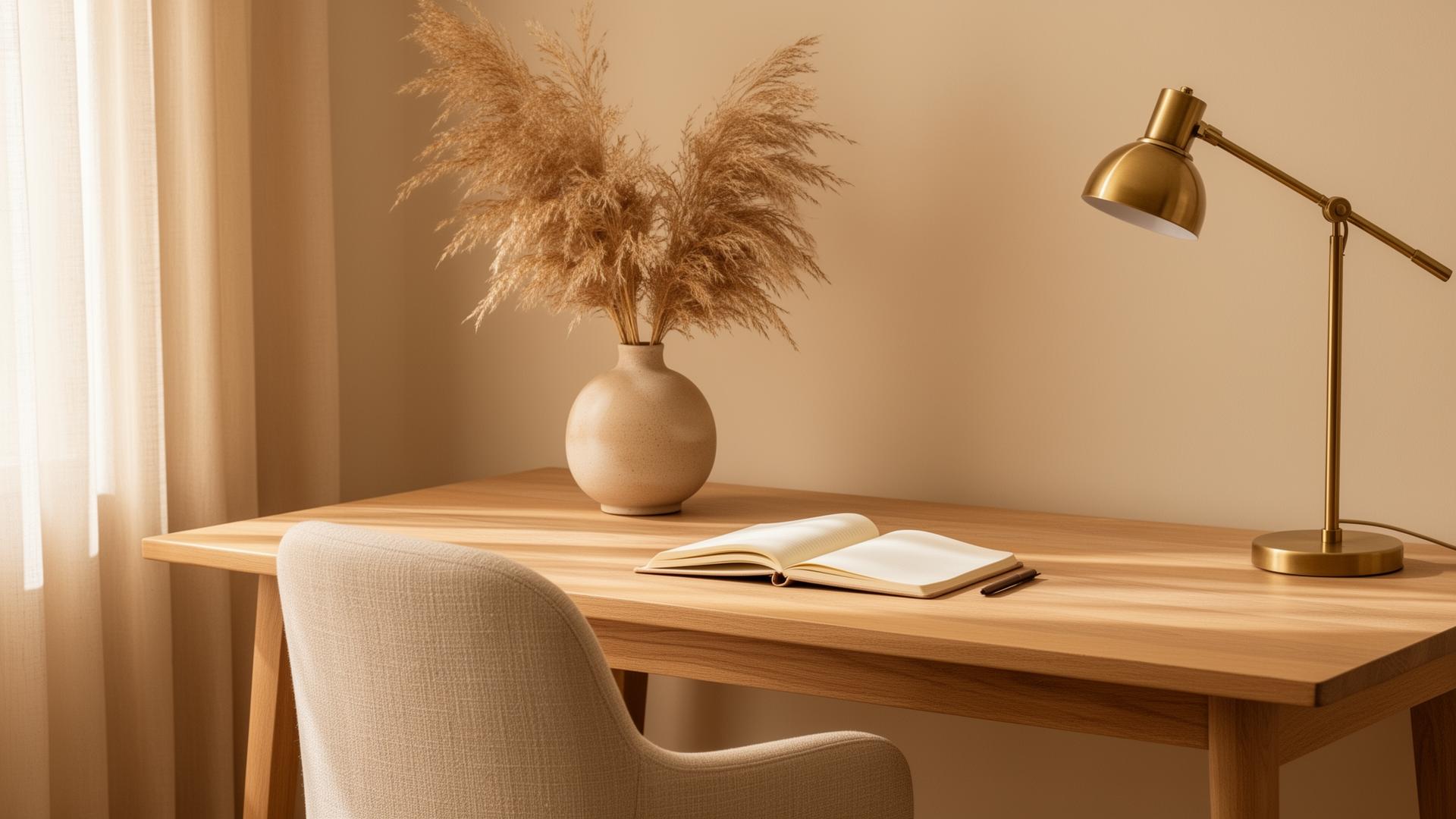
Warm lighting works because it lives below eye level. A small lamp on a side table, a low pendant above a corner, a candle on the floor near a chair — light that sits beneath your gaze feels intimate in a way ceiling fixtures never can. The goal is pools of warmth, not even coverage.
Layer three sources
A room feels considered when it has at least three quiet light sources. One near where you sit, one across the room to balance it, and one that exists just to make a wall feel less empty. None of them need to be bright. Together they make the room feel slowly held.
Stay in the warm range
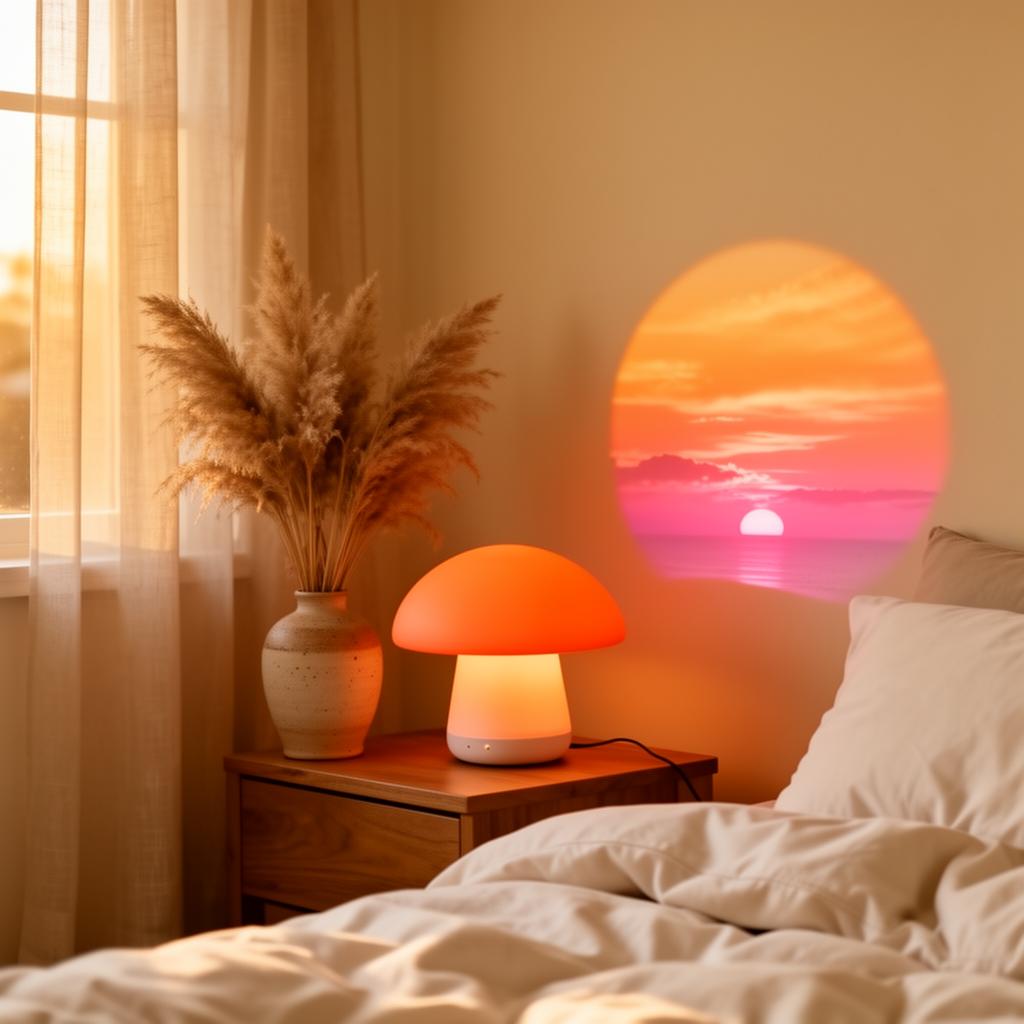
Bulbs around 2200 to 2700 kelvin read as the kind of amber the sun makes just before it sets. Anything higher slowly starts to feel like an office. If your bulbs feel a touch too cold, a soft fabric shade or a thin paper diffuser is often enough to bring them back.
Let the evening be a little dark
The most calming rooms accept that some corners will fall into shadow. Resist the urge to brighten them. The shadow is part of why the room feels restful — it gives the warm light something to be warm against.
Lumsco · Journal
Keep reading